
Scientific Proof to How your Body react to Acupuncture - Memory Decline
Regular sessions of Acupuncture can improve cognitive function and memory.

Memory decline is often characterized in Mild Cognitive Impairment (MCI), Alzheimer's disease (AD), and Vascular Dementia.
Mild cognitive impairment (MCI) is considered a pathological state that lies between normal cognitive aging and Alzheimer’s disease (AD).
Cognitive impairments also prevail among neurologic disorders. Many people experienced cognitive deficits after stroke or if they are diagnosed with Parkinson's disease.
Studies suggest that acupuncture may enhance cognitive function through neuroplasticity and targeted brain stimulation.
Below are some of the many scientific papers that support Acupuncture in helping memory decline.
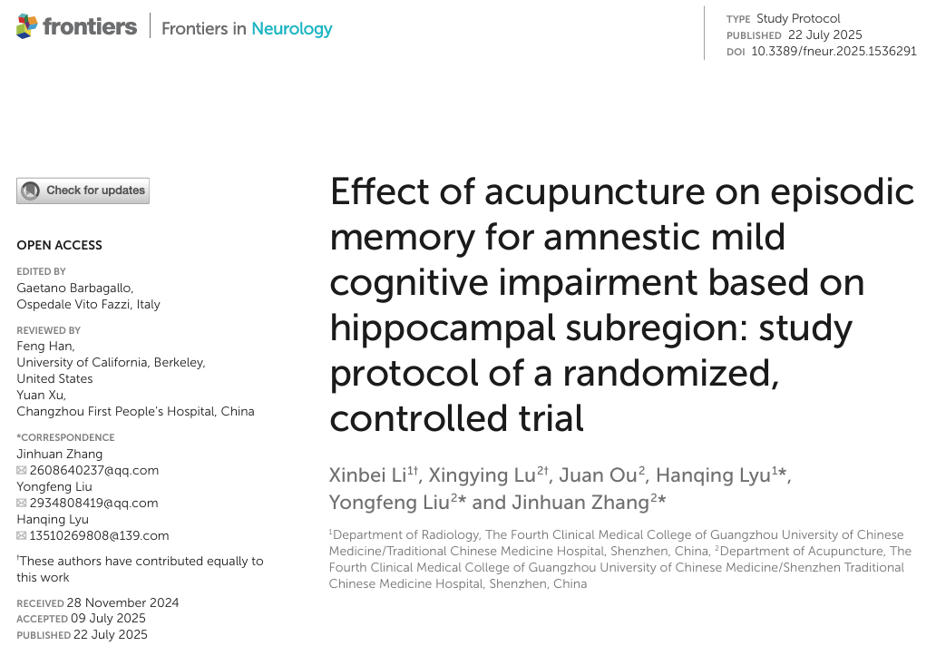
Conclusion: Acupuncture, especially with certain specific methods, remodel hippocampal subregional volume and connectivity to improve amnestic mild cognitive impairment (aMCI).
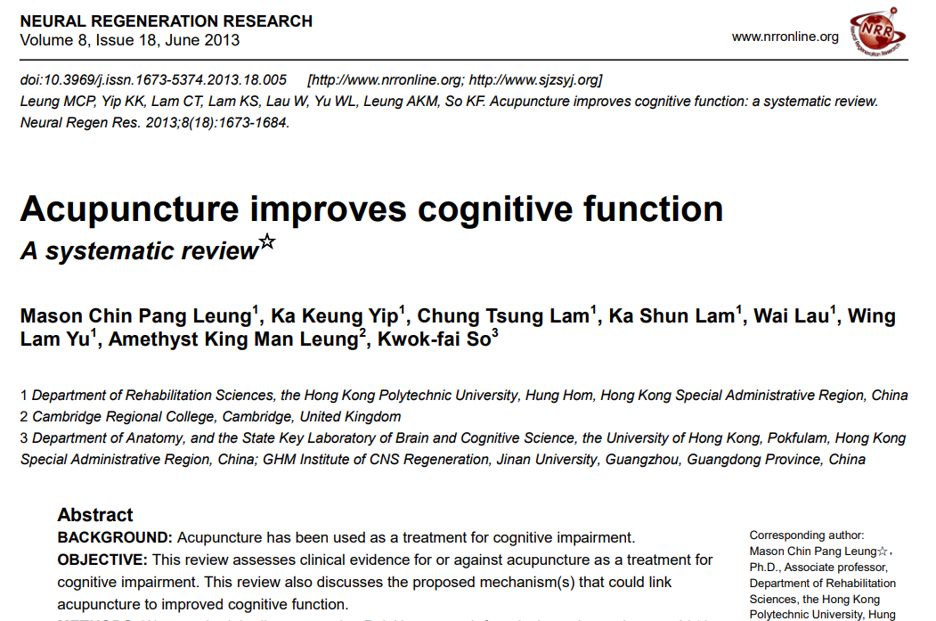
Conclusion: Acupuncture enhances functional connectivity between the locus coeruleus and the inferior parietal lobule/the posterior cerebellum. These functional alterations appear to be linked to the efficacy of acupuncture, particularly in ameliorating memory deficits.
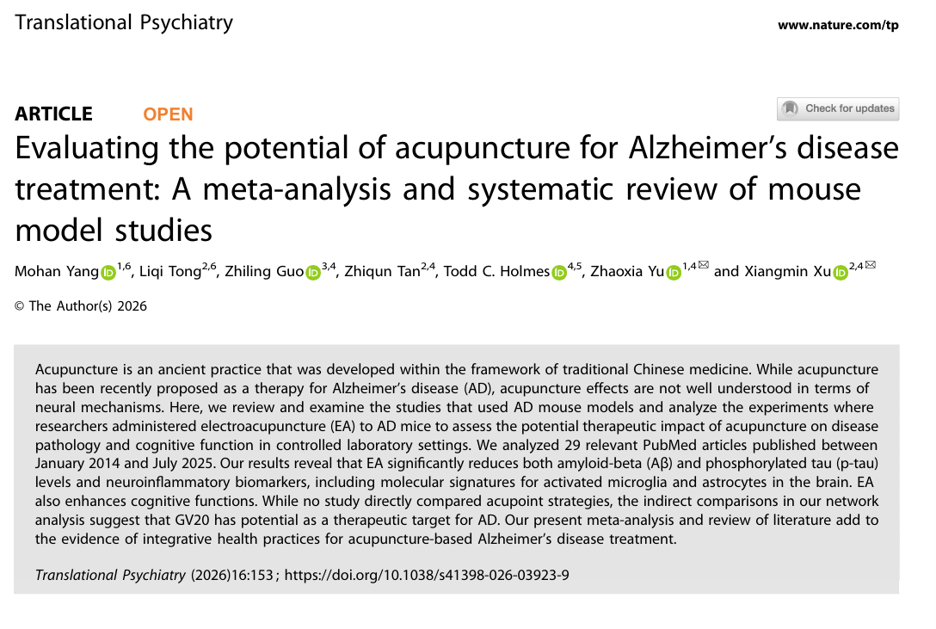
Conclusion: Many human and animal trials and studies report positive impacts of acupuncture on overall cognitive deficits and memory.
In particular, acupuncture could improve Loewenstein Occupational Therapy Cognitive Assessment, for geriatric population: orientation, perception, praxis, and attention in patients with stroke.
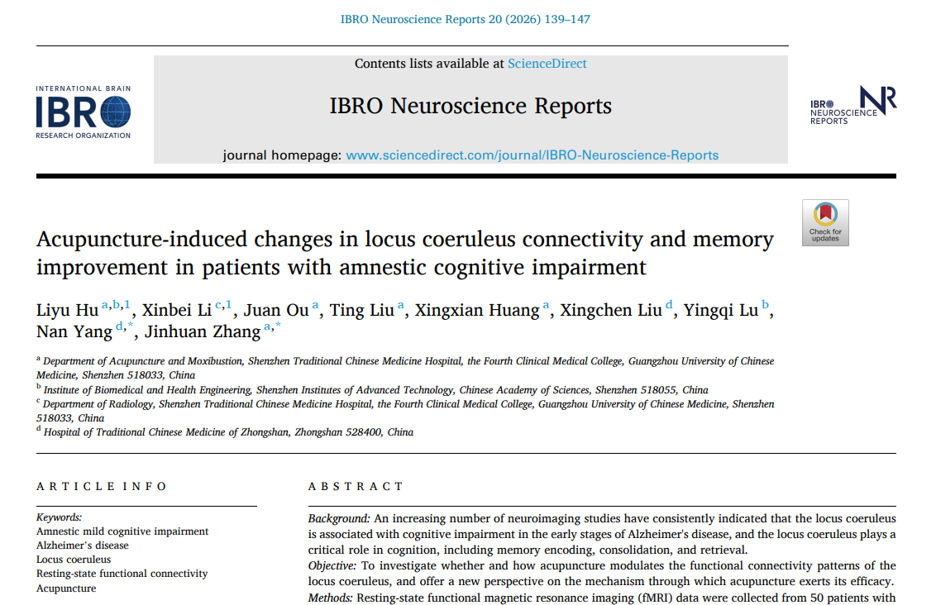
Conclusion: Acupuncture helps reduce amyloid-beta (Aβ), tau proteins, and neuroinflammation, while significantly improving cognitive outcomes in animal models.
Further reading:
Everything you need to know about Acupuncture
Scientific Proof to how your body reacts to Acupuncture - Facial Tightening
Scientific Proof to how your body reacts to Acupuncture - Eczema
Scientific Proof to how your body reacts to Acupuncture - Plantar Fascitis
Scientific Proof to how your body reacts to Acupuncture - Sinusitis
Scientific Proof to how your body reacts to Acupuncture - Snoring
Scientific Proof to How your Body reacts to Acupuncture - Stress Management
Scientific Proof to How your Body reacts to Acupuncture - Sciatica
Scientific Proof to how your body reacts to Acupuncture - Neck and Shoulder Aches and Pain
Scientific Proof to how your body reacts to Acupuncture - Urinary Incontinence
